Project Management Models Keynote Template
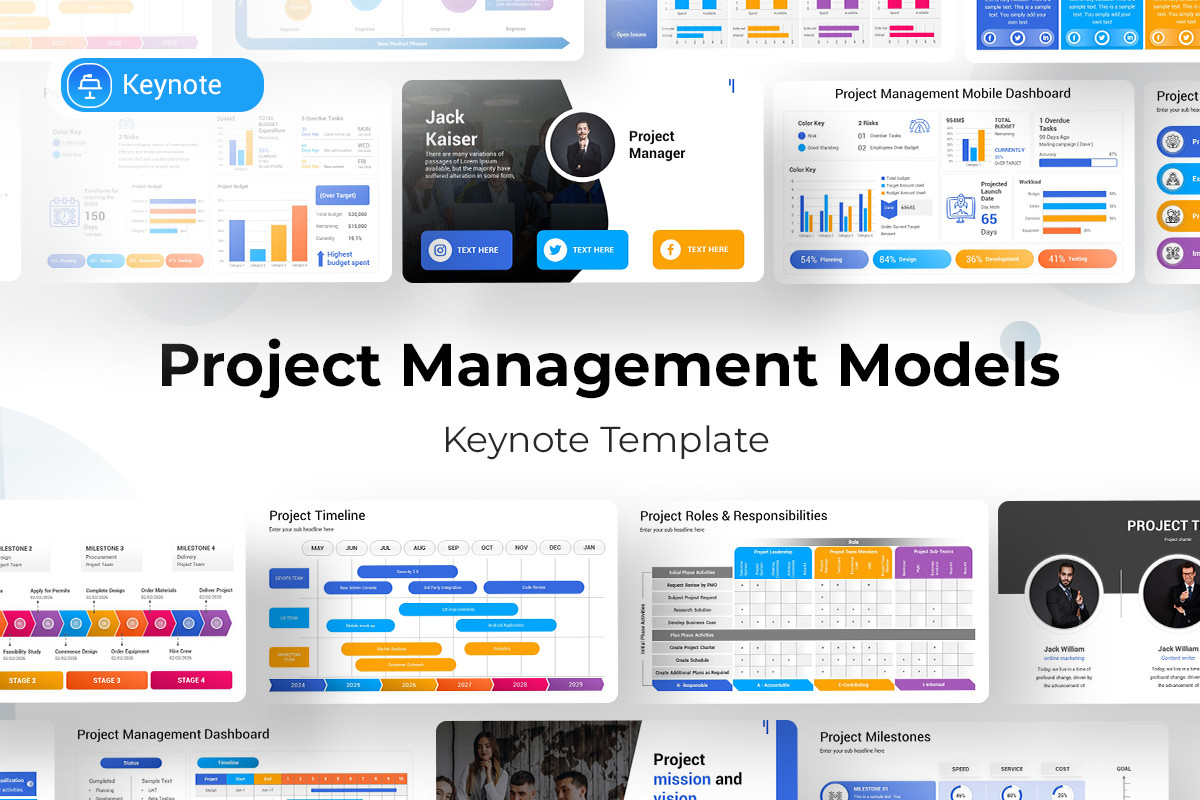


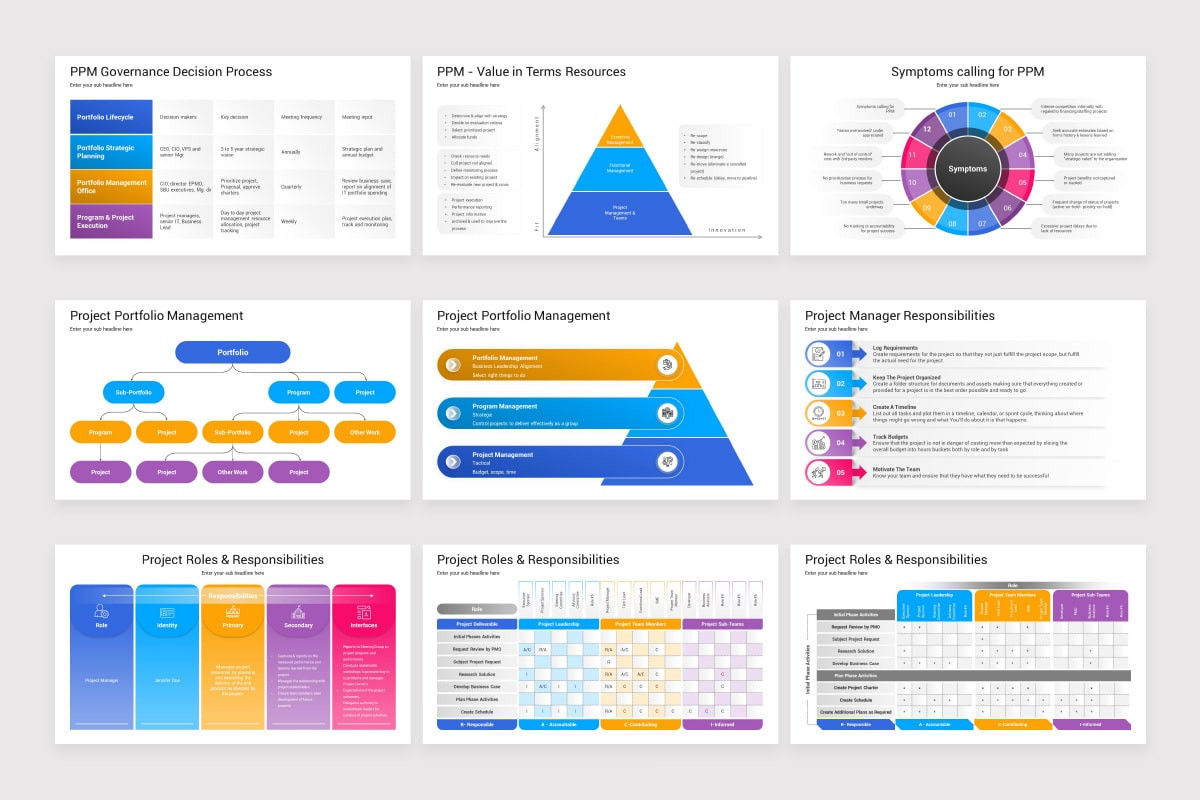
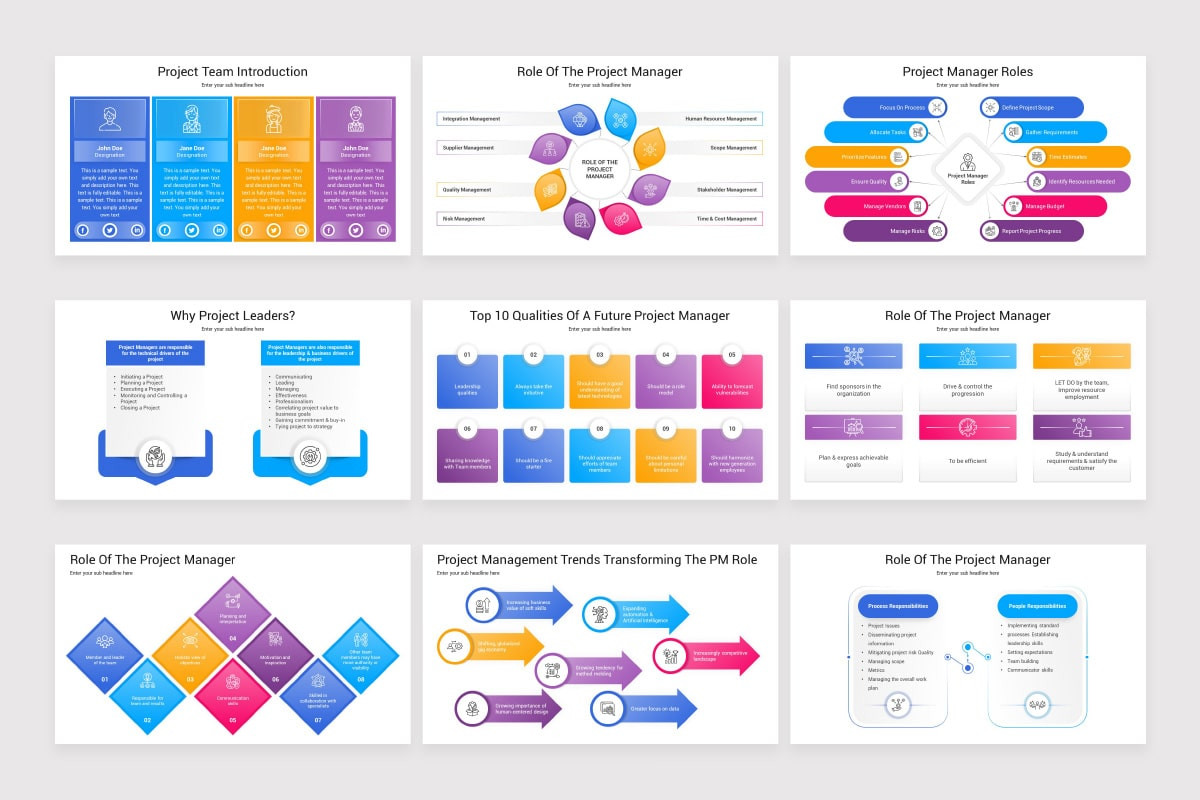





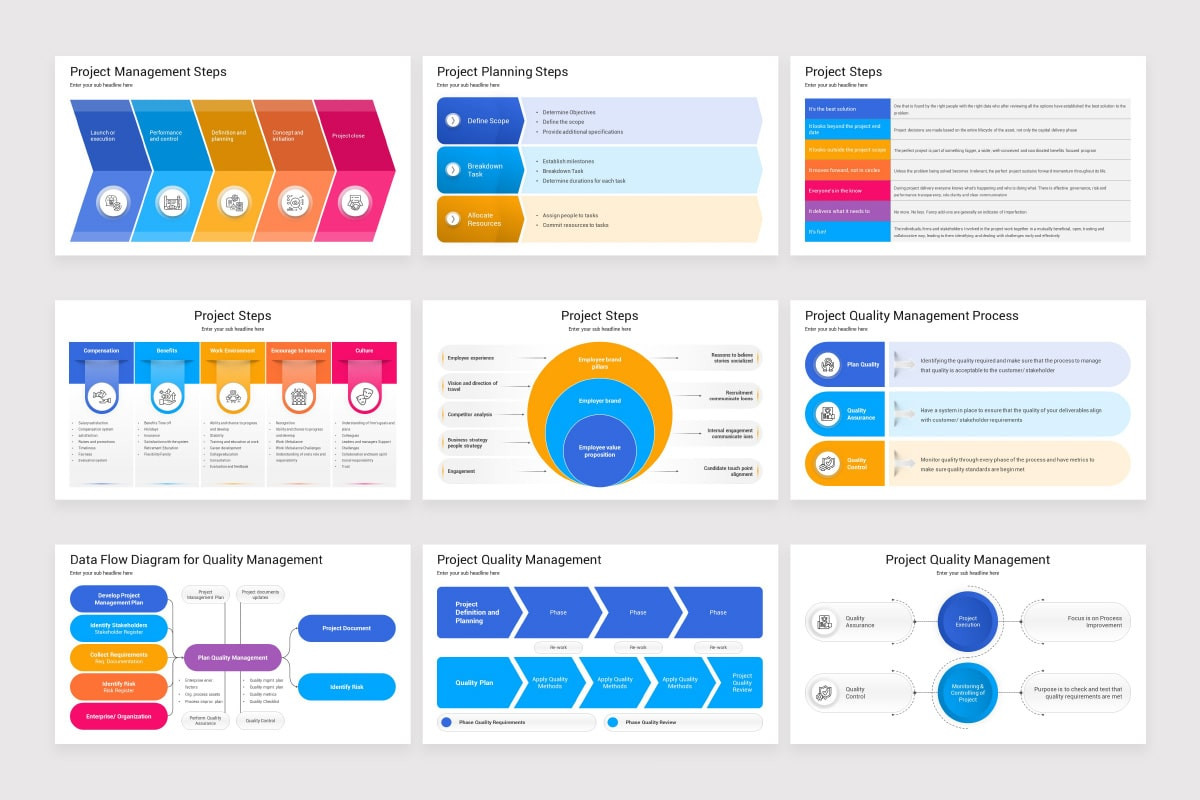
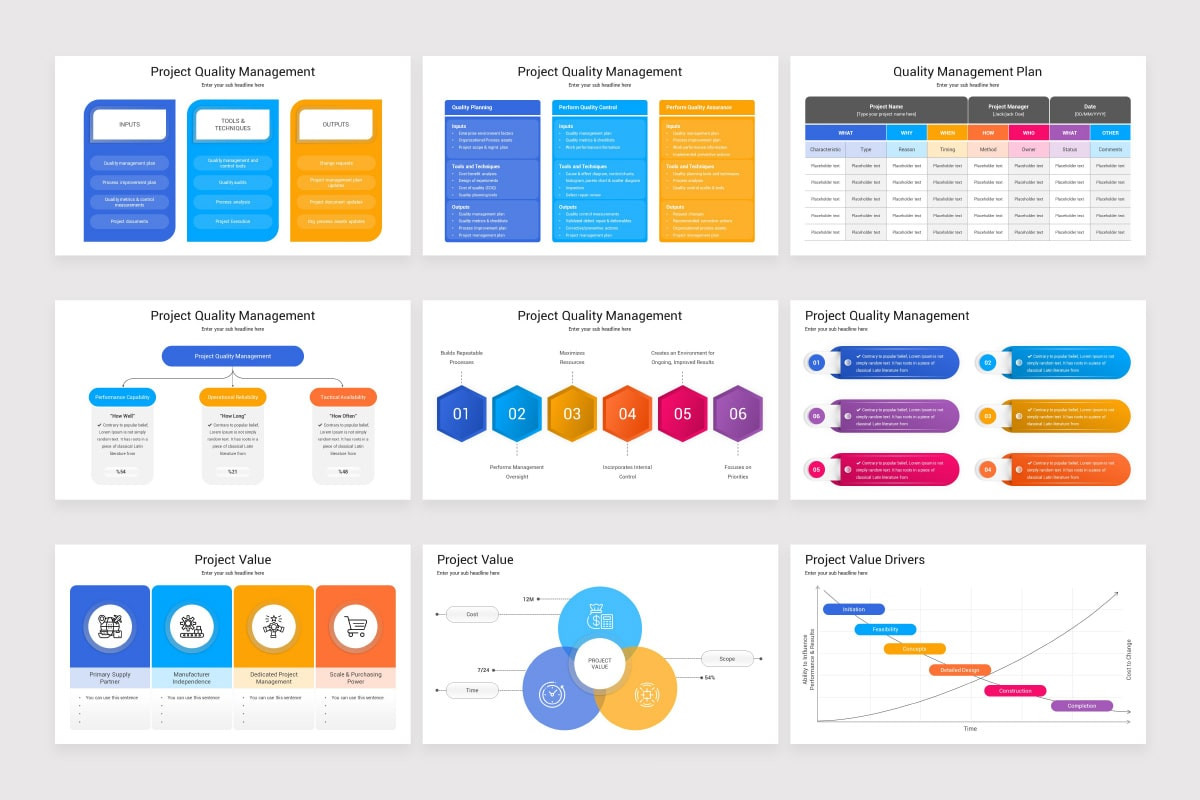
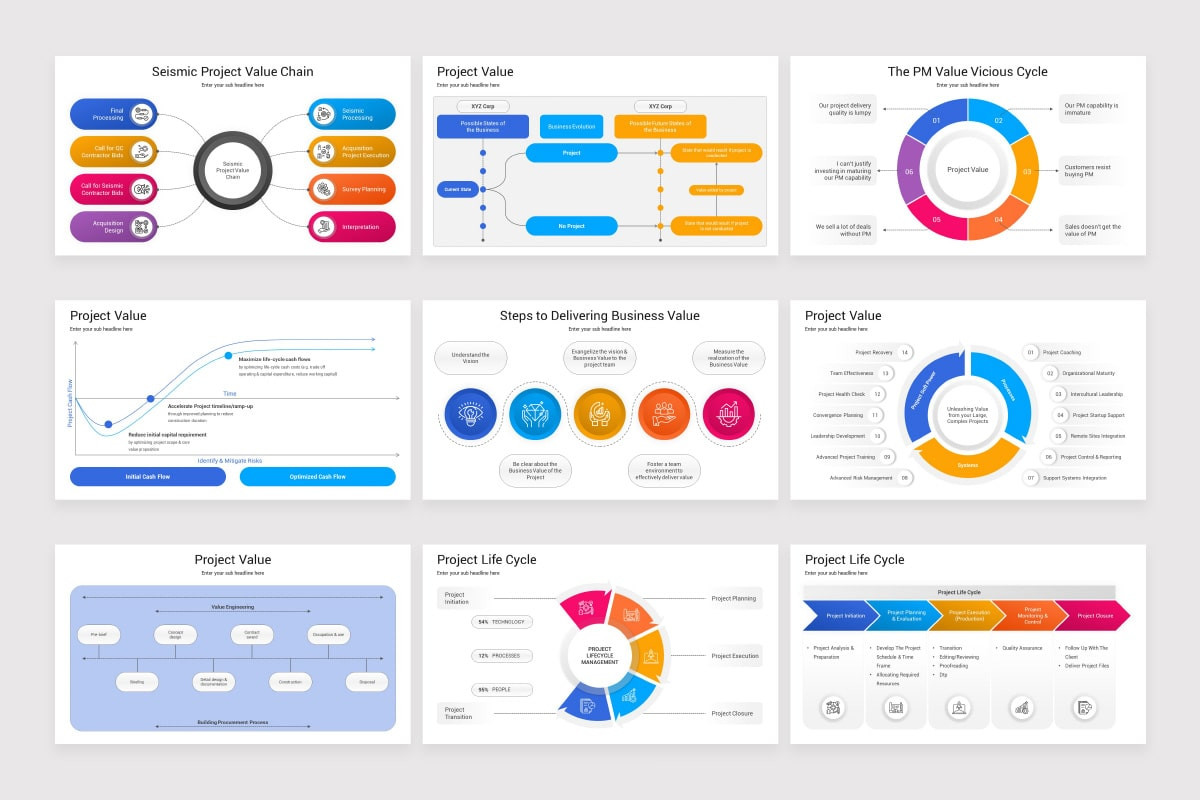
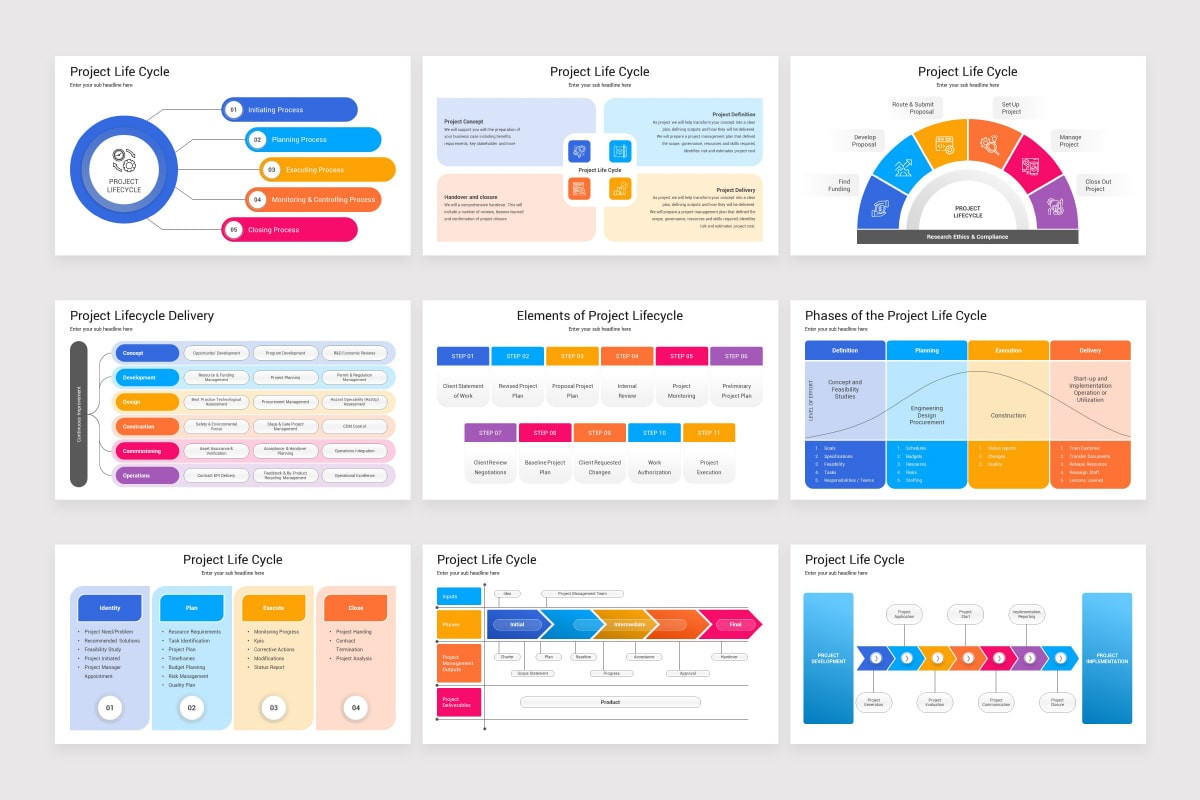




Project Management Models Keynote Template
Unveiling the Power of the Project Management Models Keynote Template
In today's dynamic business landscape, effective project management is crucial for driving success and achieving organizational goals. The Project Management Models Keynote Template emerges as a beacon of efficiency and innovation, offering a wealth of benefits and features to elevate project presentations to new heights.
At its core, this template serves as a comprehensive repository of project management methodologies, spanning traditional, agile, and hybrid models. Its diverse range of pre-designed slides empowers presenters to illustrate complex concepts with clarity and precision, guiding stakeholders through every phase of the project lifecycle.
One of the standout features of this template is its visually stunning designs and intuitive layouts. Each slide is meticulously crafted to enhance comprehension and engagement, capturing the attention of the audience from the first glance. Whether showcasing Gantt charts, Kanban boards, or Scrum frameworks, the template ensures that information is presented in a compelling and accessible manner.
Moreover, the template's customizability enables users to tailor presentations to their specific needs and preferences. From adjusting colors and fonts to adding or removing elements, every aspect can be personalized to align with the project's unique requirements. This flexibility not only enhances the visual appeal of the presentation but also fosters a deeper connection with the audience.
Beyond aesthetics, the template serves as a catalyst for collaboration and alignment within project teams. By providing a common visual language and framework, it facilitates communication and decision-making, driving consensus and driving project progress.
In conclusion, the Project Management Models Keynote Template is not just a presentation tool; it's a strategic asset that empowers organizations to communicate, collaborate, and execute projects with unparalleled efficiency and effectiveness. As businesses navigate the complexities of today's projects, this template stands ready to guide them towards success.
What’s Inside the Template?
Project Charter: A foundational document that outlines the project’s objectives, scope, stakeholders, and timeline, ensuring a clear understanding of the project from the outset.
Project Portfolio Management: A model for overseeing a collection of projects, ensuring alignment with organizational goals and efficient allocation of resources.
Project Roles and Responsibility: Defines the roles and responsibilities of each team member, promoting accountability and effective collaboration.
Project Milestones: Key checkpoints throughout the project to monitor progress and ensure that critical deliverables are met on time.
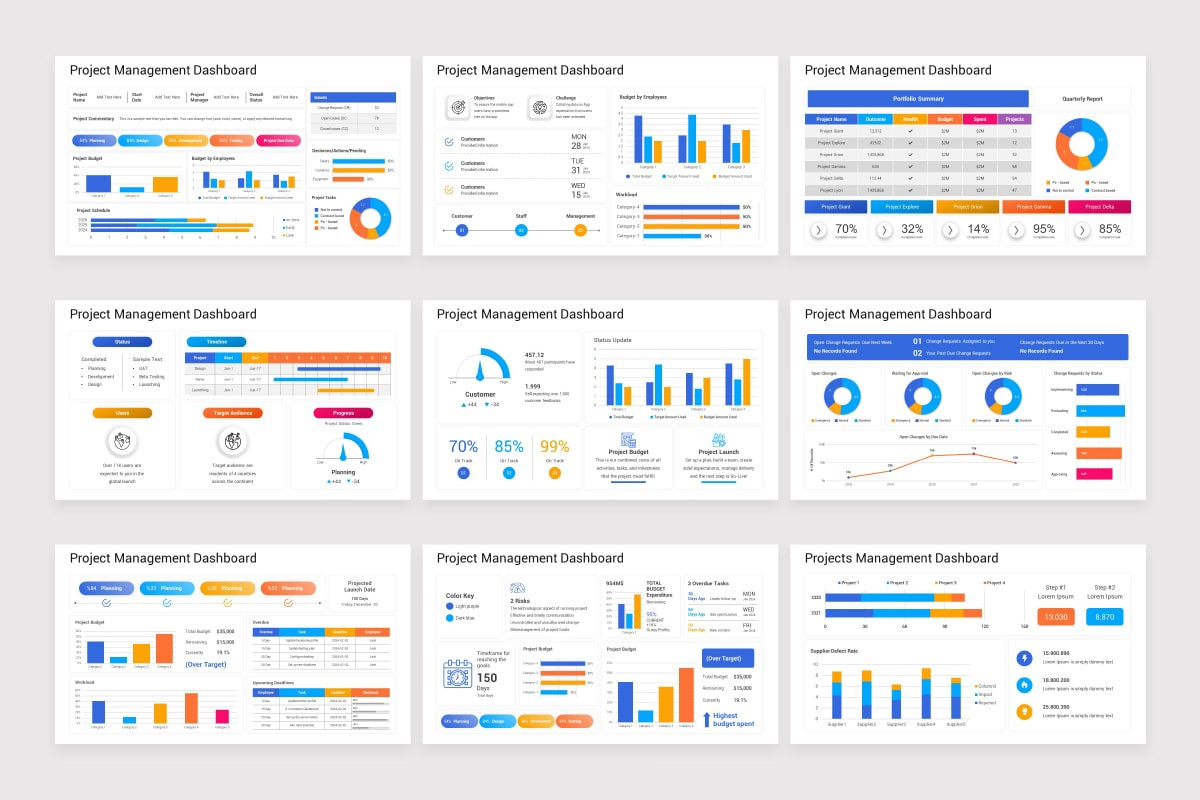
Project Management Dashboard: A visual tool for tracking project progress, providing insights into key metrics, performance indicators, and upcoming deadlines.
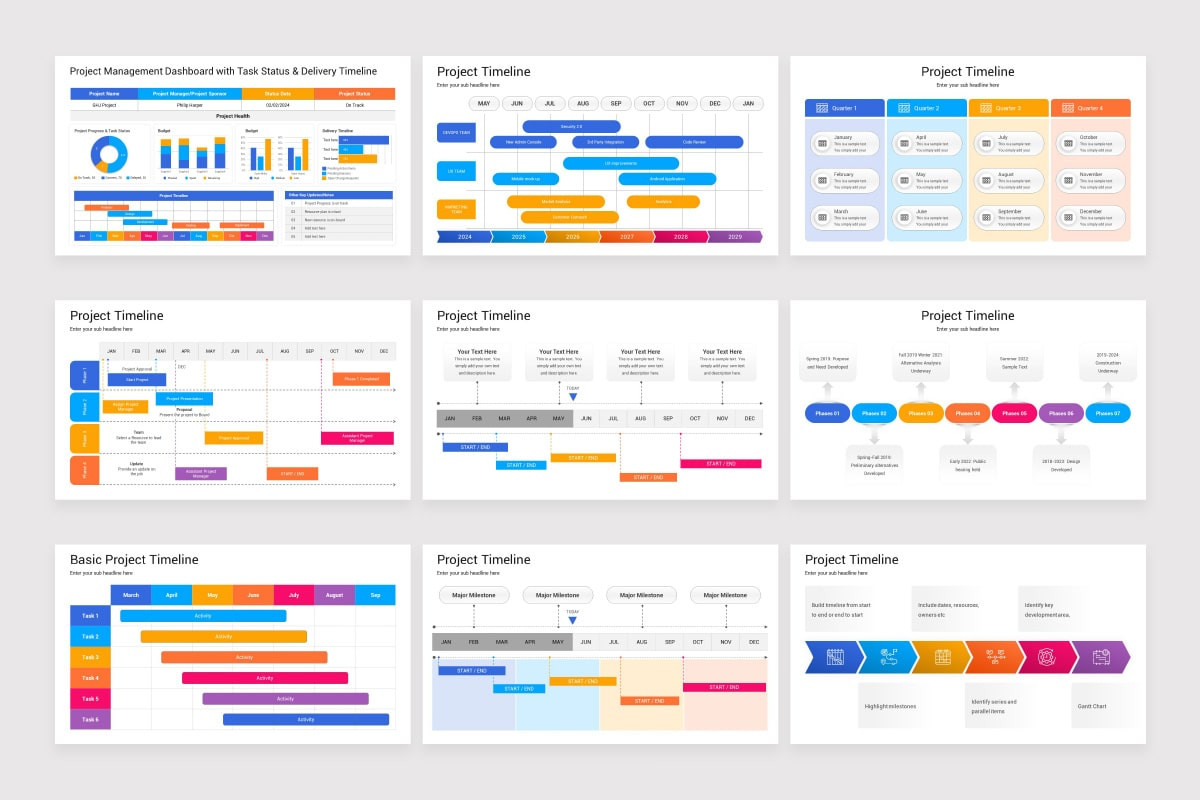
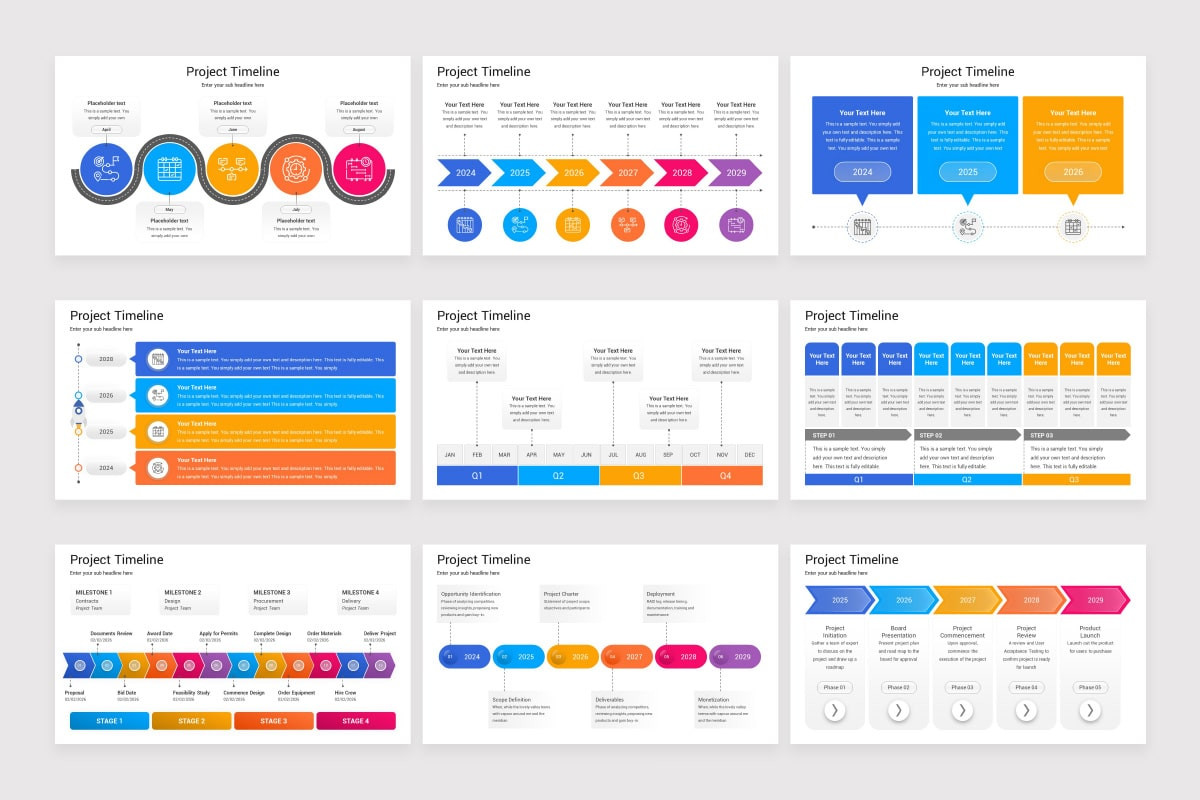
Project Timeline: A graphical representation of the project schedule, highlighting critical dates, milestones, and deliverables.
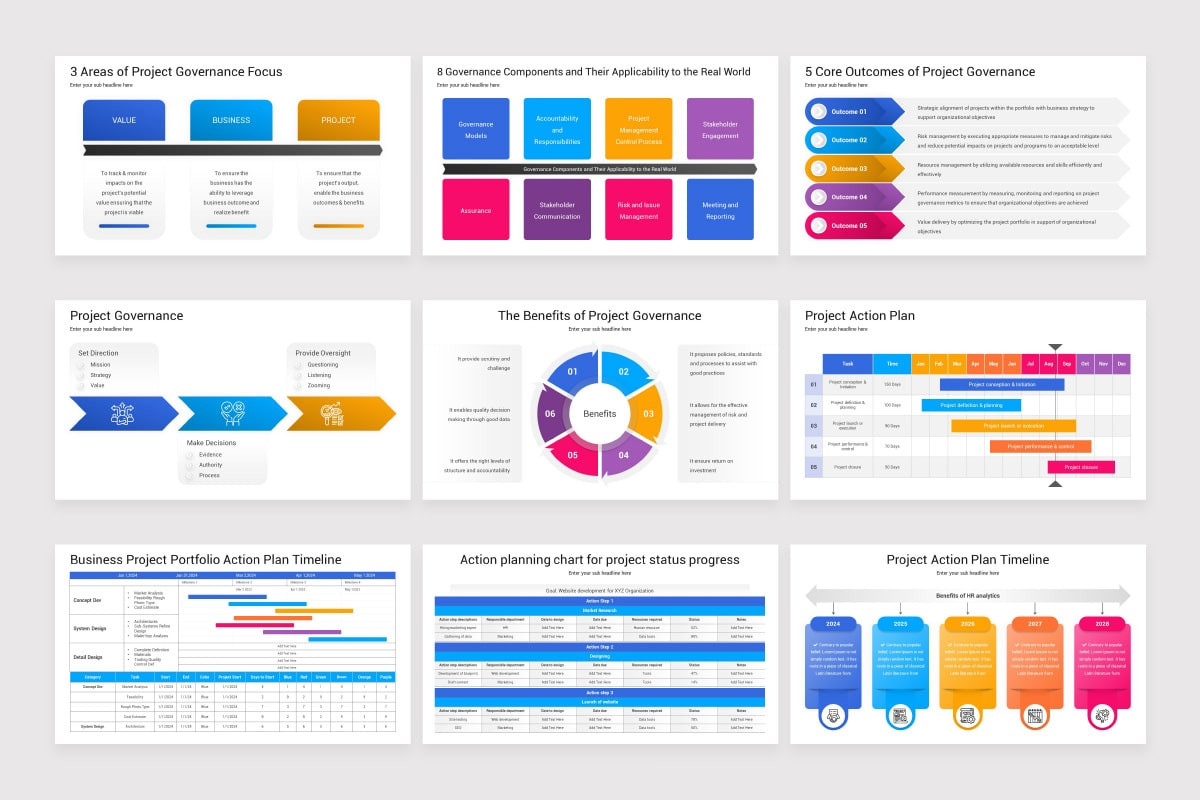
Project Governance: Establishes the rules, processes, and decision-making structures to ensure that the project stays on track and complies with organizational policies.
Project Action Plan: A detailed plan outlining specific actions, tasks, and deadlines needed to achieve the project goals.
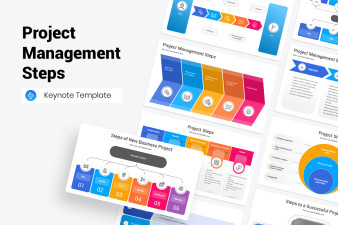
Project Management Steps: A structured guide outlining the essential steps in managing a project, from initiation to closure.
Project Quality Management: Frameworks and models to ensure that the project meets quality standards and satisfies stakeholder expectations.
Project Value: Focuses on maximizing the value delivered by the project in terms of ROI, quality, and alignment with business goals.
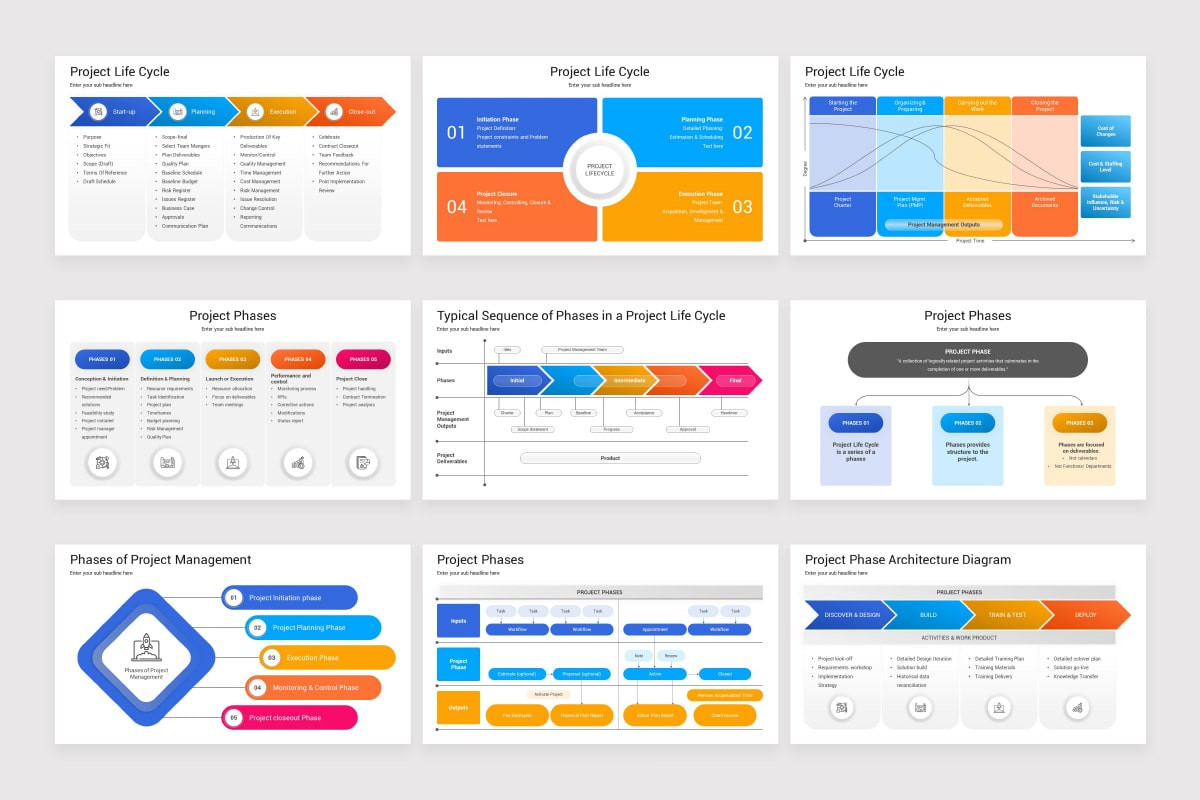
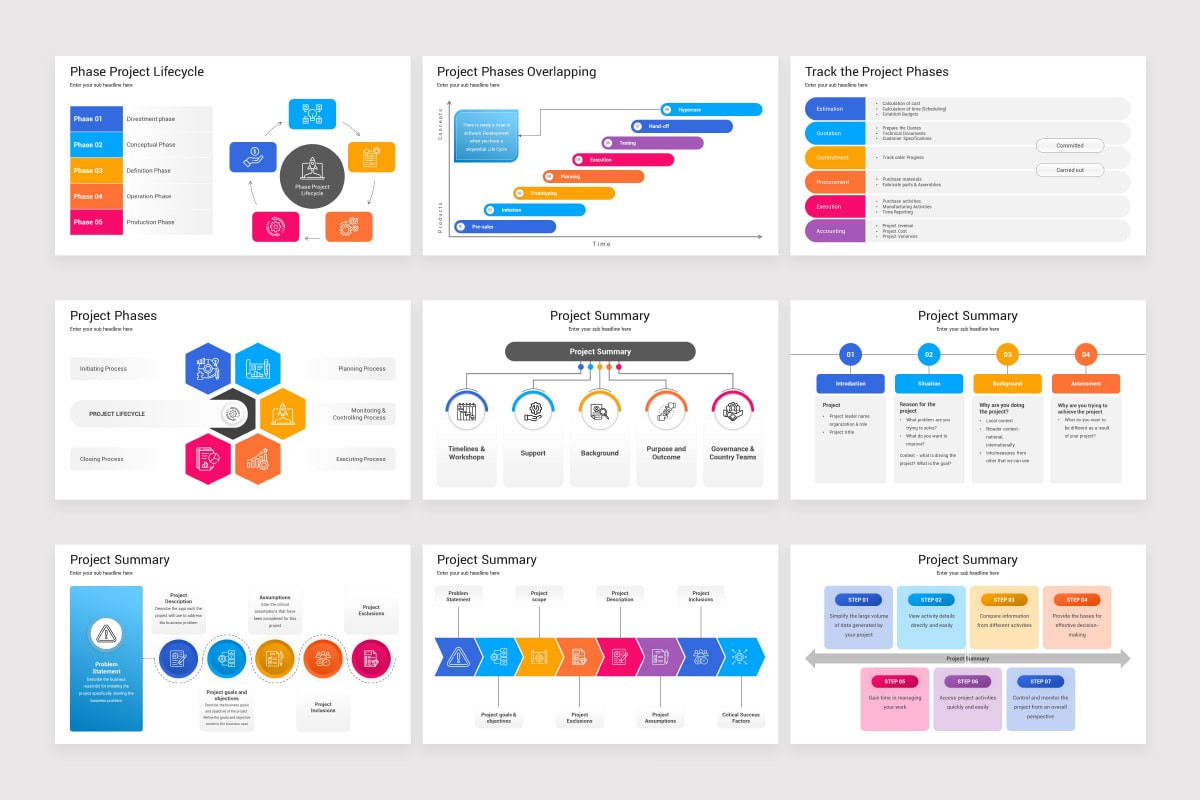
Project Life Cycle: A systematic approach detailing the phases a project goes through, from initiation to closure.
Project Phases: The stages of a project that allow for systematic planning, execution, and review.
Project Summary: A high-level overview that provides a snapshot of the project's objectives, goals, and key elements.
Project Stages: Key divisions within a project to break it down into manageable sections.
Project Strategy: Outlines the approach and methods used to achieve the project goals, ensuring alignment with business objectives.
Project Closure: The process of finalizing and closing the project, ensuring all deliverables are completed and documentation is finalized.
Project Monitoring: Ongoing assessment to track project progress, identify issues early, and adjust plans as needed.
Project Control: The use of metrics and tools to monitor project performance and adjust strategies to stay on track.
Project Executive Summary: A brief, high-level summary of the project, including key points, objectives, and outcomes for stakeholders.
Project Cost Management: A framework to plan, allocate, and monitor project budgets to ensure financial control throughout the project lifecycle.
Project Procurement Management: Managing the procurement process for goods and services needed to complete the project.
Project Finance: Financial management strategies to ensure that the project stays within budget and meets its financial objectives.
Project Prioritization Matrix: A tool used to assess and prioritize tasks based on their urgency and importance.
Project Resource Management: The allocation and management of human, financial, and physical resources to ensure project success.
Project Scope Management: Defining and controlling what is included in the project, ensuring that deliverables meet the agreed-upon objectives.
Project Initiation: The process of formally starting the project, including defining the scope, objectives, and stakeholders.
Project Portfolio Matrix: A tool for categorizing and managing a collection of projects to align them with business strategy.
Project Organization: The structure and management of the project team, roles, and responsibilities.
Project Workflow: The sequence of tasks, processes, and steps that need to be completed during the project.
Project Schedule: A detailed plan outlining the timeline, tasks, and milestones to ensure the project is completed on time.
Project Integration Management: Managing the various elements of the project to ensure that all components work together efficiently.
Project Cycle Management: The ongoing cycle of planning, execution, and review that ensures the project is progressing as expected.
Project Execution: The stage where the project plan is put into action and work begins to achieve project goals.
Project Implementation: The process of executing the project plan and ensuring that tasks are completed as specified.
Project Planning: The process of defining project goals, objectives, tasks, and timelines to ensure successful project execution.
Marketing Project Management: Applying project management principles to marketing projects, ensuring alignment with business goals and timely delivery.
Basic Project Management Process: The fundamental steps involved in managing any project, including initiation, planning, execution, and closure.
Project Gantt Chart: A popular project management tool used to visually represent project tasks, deadlines, and dependencies.
Project Budget: A detailed financial plan outlining the costs associated with completing the project, including labor, resources, and materials.
Project Management Levels: Different levels of management required throughout the project lifecycle, from tactical to strategic oversight.
Project Delivery Models: Various approaches to delivering a project, including waterfall, agile, and hybrid models.
Project Identification: The process of recognizing and defining new projects, including assessing their viability and alignment with business objectives.
Project Assessment: Evaluating a project’s progress, risks, and outcomes to ensure it is on track to meet its objectives.
Project Performance Assessment: Measuring and evaluating the performance of the project against key metrics to ensure that goals are being met.
Project Manager Roles: Defining the responsibilities and skills required for the project manager to lead the project successfully.
Project Management Methodology: The approach or methodology applied to manage the project, such as Agile, Scrum, or Waterfall.
Project Monthly Planner: A tool for tracking tasks, milestones, and deliverables on a monthly basis.
Project Management Maturity Model: A framework for assessing the maturity of project management processes within an organization.
Strategic Project Management: A management approach focused on aligning projects with overall business strategy and long-term goals.
Lean Project Management: An approach that aims to maximize value while minimizing waste through efficient project execution.
Project Management Plan: A detailed document that outlines the approach, resources, schedule, and budget for the project.
Project Management Checklist: A checklist used to ensure that all essential tasks and steps are completed during the project.
Project Stakeholders: Identifying and managing the individuals or groups who have an interest in the project and its outcomes.
Weekly Project Planning: A weekly planning process to review progress, plan upcoming tasks, and address potential risks or issues.
Project Management Timeline: A detailed timeline that outlines key milestones, deliverables, and deadlines for the project.
Project Status: Regular updates on the progress of the project, including any challenges or deviations from the plan.
Project Monthly Timeline: A timeline specifically focused on tracking and managing project activities on a monthly basis.
Key Features:
- 980+ Clean & Creative slides
- 2 Aspect Ratio ( 4:3 & 16:9 )
- Just One Click to change the colors and auto recolored
- Free Fonts and Icons
- Fully and Easily editable content
- 3000+ Icons! easily change size & color
PowerPoint and Google Sides version is available
Download PowerPoint Version Here
Download Google Sides Version Here
Please sign to comment this item.
Report This Item
Please sign in to report this item.

 IsoDesigns

 NulivoMarket
 jack-des